Plan the complete system
An expedition plan connects route, people, equipment, food, water, transport, communications and time. A strong plan is readable by someone who was not in the original conversation. It also identifies what would make the plan unsuitable.
Start with purpose and constraints. Define the operating area, dates, group experience, resupply options and accommodation assumptions. Separate confirmed information from items requiring verification.
Equipment and supplies
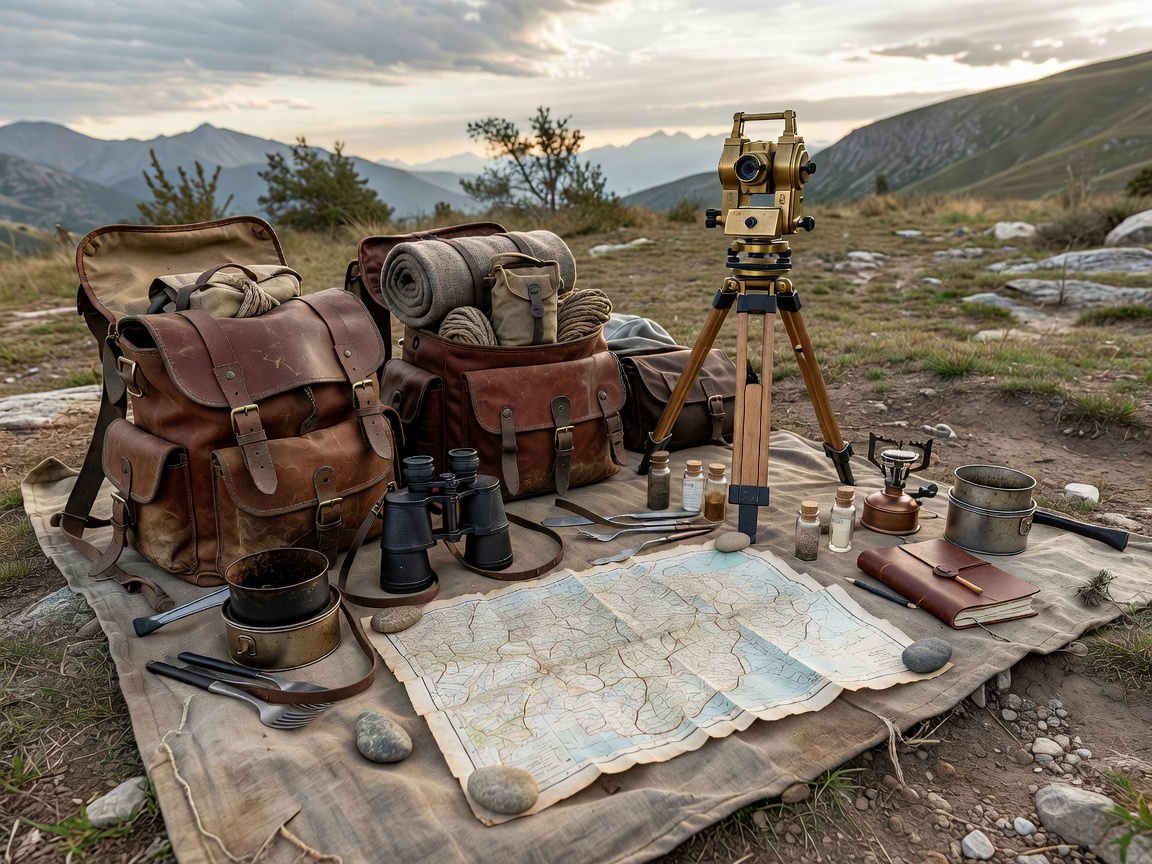
Equipment planning should follow the route and conditions. Build a shared list, then allocate personal and group items. Check compatibility, condition, power needs and repair arrangements. Avoid treating a catalogue list as a substitute for instructor advice or local requirements.
Food and water planning requires realistic demand, access and contingency. Consider cooking arrangements, storage, treatment requirements and waste. Keep the plan simple enough to update when the itinerary changes.
Logistics and weather windows
Route logistics include arrival, departure, permits where applicable, transport links, accommodation and communication coverage. Record contact details and fallback options. Verify them close to departure because outdoor conditions and availability change.
Weather windows should be treated as planning inputs, not guarantees. Define which conditions change the objective, route or timing. Build a decision point before the group is committed to the most remote section.
Field routines
Routines reduce cognitive load. Use a morning brief, equipment check, navigation update, regrouping pattern and evening review. Assign roles clearly. Rotate suitable tasks only when the group understands the standard expected.
Good fit for
- Small teams planning multi-day outdoor activity.
- Leaders who need a repeatable preparation system.
- Participants moving from day walks to expedition formats.
- Organisations improving field documentation.
What to verify
Ask how the course handles food, water, equipment, weather, transport and contingency planning. Check practical time and whether the environment matches your intended use. Confirm that any qualification claims are specific and verifiable.
Planning checklist
- Objective, route and decision points recorded.
- People, roles, equipment and supplies assigned.
- Weather, access and communications checked.
- Contingencies and review schedule agreed.