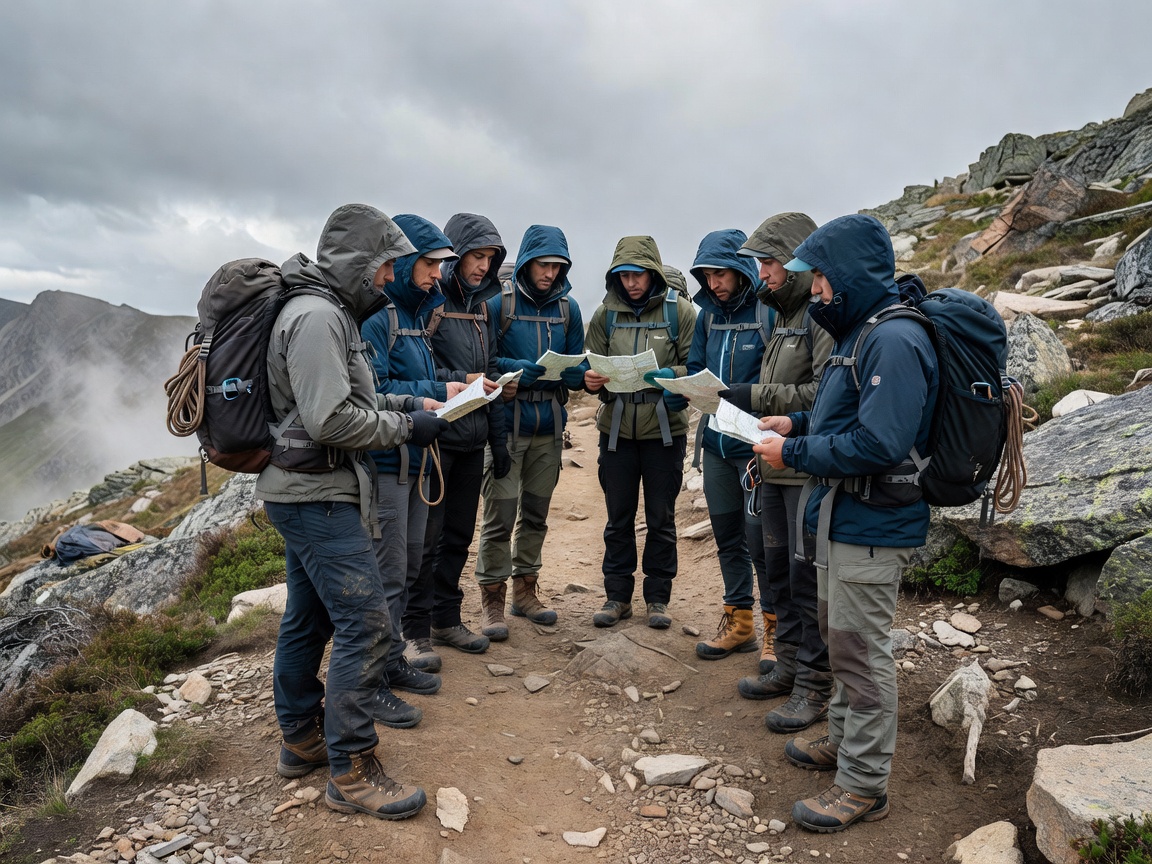
Risk is a moving picture
Outdoor risk changes with weather, terrain, time, equipment and people. Training should make those variables visible. It should not promise guaranteed safety or remove the need for qualified supervision and local judgement.
Begin with the activity, group and environment. Identify credible hazards. Estimate how exposure could change. Select controls that are practical and understood by the group. Review them when new information arrives.
Group safety
Good group safety starts with a clear briefing. Cover the objective, route, pace, communication method, regrouping points, personal limits and what will trigger a change of plan. Confirm understanding rather than assuming it.
Monitor the group throughout. Fatigue, cold, heat, stress and uncertainty can alter behaviour. A leader should make it acceptable to report problems early. Small corrections are easier than late interventions.
Weather and terrain
Use current, relevant weather information. Compare forecast confidence with the route and the available alternatives. Watch for changes in visibility, wind, precipitation, temperature and surface conditions.
Terrain hazards require specific, qualified instruction. This page does not provide procedures for avalanche intervention, rope rescue, technical climbing protection, high-angle rescue or hazardous crossings. Seek local instruction and follow formal procedures.
Emergency planning
Emergency planning means knowing how to raise an alert, communicate location, protect the group and cooperate with local services. Training should focus on roles, decision thresholds and reliable information. Equipment and procedures must match the environment and applicable local requirements.
Good fit for
- Outdoor leaders developing a formal review habit.
- Groups that need consistent briefing language.
- Participants preparing for supervised technical training.
- Organisations reviewing field operating procedures.
What to verify
Check instructor qualifications, scope, supervision, scenario limits, emergency policy and local requirements. Verify that the course clearly separates general education from formal professional or regulated training.
Practical checklist
- Current weather source identified.
- Group ability and equipment checked.
- Communication and escalation process briefed.
- Stop, retreat and review points agreed.